Your Local San Diego ISR Instructor

I began my journey as an ISR swim mom in 2020, when my oldest daughter was just one year old—she’s now seven! Watching her independently learn such a critical life skill at such a young age was truly incredible. She learned how to fall into the water, roll onto her back, float calmly, and rest until help arrived. Witnessing that moment was life-changing and sparked something deep within me. I knew then that I wanted to become an instructor and help other children learn the same life-saving skills my daughter had mastered.

Since then, my second daughter—now four—began swimming at just two years old and can confidently navigate all types of water with her Swim-Float-Swim skills. Over the past four summers, I’ve had the privilege of teaching more than 120 students, helping them develop confidence, independence, and safety in the water.

As a Certified ISR Instructor, my mission is to bring life-saving swim skills to families in my community—creating safer, stronger, and more confident swimmers, one child at a time.
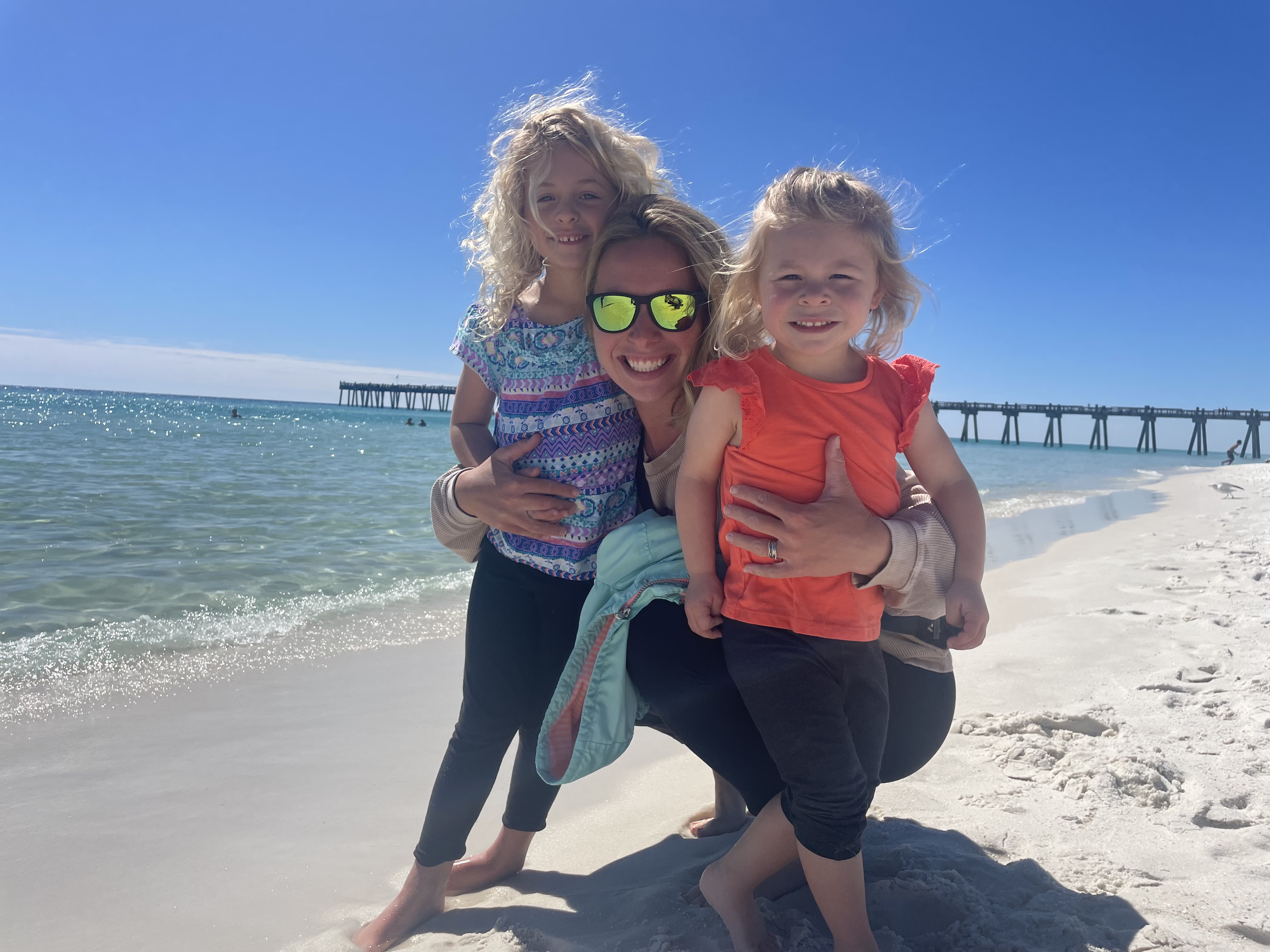
Swim Instructor Image
FAQs
How is it that babies can learn to respond to the danger of water when they fall in?
A baby does not need to perceive danger or be afraid to respond appropriately to being underwater. If a baby has learned to roll over and float when he needs air, he doesn't need to perceive danger in order to respond in this manner. He needs skill, practice and confidence to calmly deal with the situation.
Can’t babies swim naturally?
Unfortunately, babies cannot naturally swim. If this were the case, there wouldn’t be so many drownings every year. According to the Center for Disease Control and Accident Prevention, drowning is the leading cause of accidental death for children ages 1-4 in the United States.
Why do you have the children swim in clothes?
Because 86% of children who fall in the water do so fully clothed, we want our students to have experience with such a situation. If a child has experienced the sensations of being in the water in clothing prior to an emergency situation, he/she is less likely to experience panic and be able to focus on the task at hand. If you have ever jumped in the water with clothes on, then you know that there is a significant difference in weight and feel with clothes as opposed to a bathing suit.
Why don’t parents participate in the water during the lessons?
We do not want the baby to initially associate the water with the love, attention, and affection of the parent while in the water. Also, it takes incredible concentration and objectivity to teach the baby how to respond to an aquatic emergency and our experience shows that parents often find it too difficult to be objective to be effective teachers with their own children in the water. We gladly invite parents to join us in the pool once their child has independent skills to practice at home.

Reach out today

Discover more about our programs and how we can help you.